

Starting September 30, Google will remove third-party rates (Google sourcing rates on your behalf). For hotels that relied on this feature, keeping their direct rate visible on Hotel Ads will require an active connection sending prices and availability to Google.
Impacts on the direct channel
- Direct rate visibility. Hotels that depend on third-party rates will need an active price source to keep their rate on Hotel Ads.
- Impact on campaigns. Campaigns currently running on third-party rates will need to be rebuilt once a new price source is connected. For Performance Max for Travel Goals, losing that connection means losing Hotel Ads presence entirely.
- Price Accuracy matters more. The match between the price sent to Google and the price a guest finds at checkout now carries more weight.
- Distribution still calls the shots. Being present on Google doesn’t guarantee a favorable position — an OTA can still undercut the official website’s rate.
How do you know if this affects your hotel?
Many hotels may already have this connection sorted through their channel manager, booking engine, CRS, or PMS. The key question is whether that system is integrated with Google and actively sending the hotel’s current prices and availability.
Campaigns will need a look too. Google states that any campaign currently running on third-party rates will need to be rebuilt once a new price source is linked. Under Performance Max for Travel Goals, campaigns can keep running on Search, YouTube, or Display, but they’ll drop out of Hotel Ads until that connection is in place.
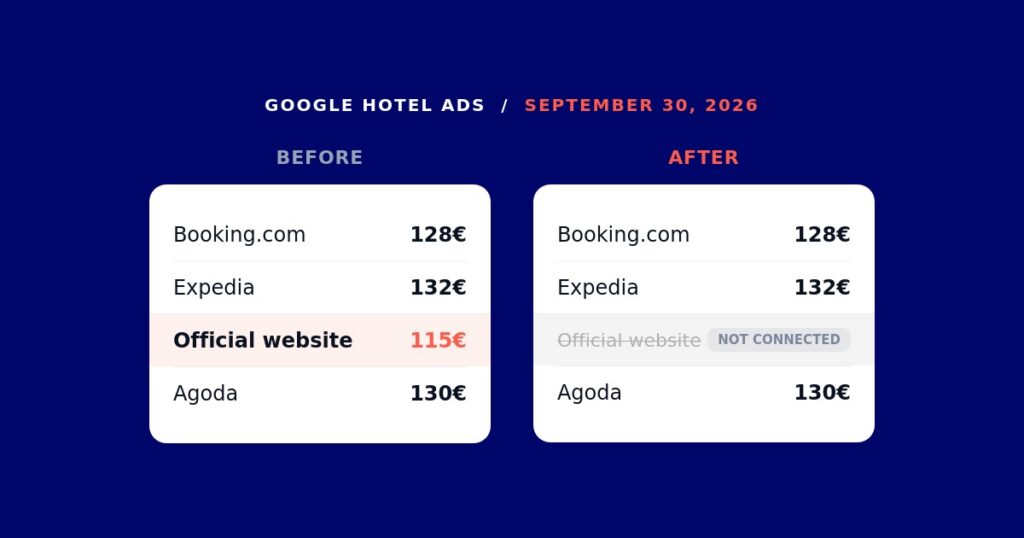
Image 1. Image generated using artificial intelligence.
Price Accuracy gets more important
Google will keep checking, through Price Accuracy, that the price it receives matches what the guest finds during checkout. With third-party rates gone, that accuracy matters even more. Google warns that feeds with a low accuracy score can get filtered out automatically.
But getting the price to Google correctly doesn’t mean the direct channel is in a strong position. An OTA can still be offering a lower rate than the one on the official website, breaking your Price Integrity.
That’s one of the things worth watching as this change rolls out: not just whether the direct rate shows up, but where it ranks against what intermediaries are offering.
At World Parity Monitor, we’ll be tracking this over the next few months to see how it plays out across hotel distribution.


